

When summer’s scorching heat arrives, the air conditioner becomes the ultimate helper to keep things cool inside. Like a trusty car, AC units need regular check-ups to avoid breaking down. Getting them inspected once a year helps them stay in tip-top shape all year round. Skipping these check-ups can cause your energy bills to skyrocket and lead to expensive fixes later on. Inspections spot small problems before they turn into big, costly ones, saving cash and keeping the air just right. Wondering how often to schedule these check-ups or how to tell when your AC needs a fix? Stick around to learn easy tips that save money and keep the cool flowing. Staying on top of this is the real hack for a comfy, worry-free summer.
The Significance of Yearly Inspections
Regular AC inspections offer a proactive approach to prevent potential malfunctions and enhance the overall longevity of your cooling system. Here are some compelling reasons why yearly inspections are essential:
1. Optimizing Performance
Yearly inspections allow HVAC professionals to assess your AC unit’s performance. They can identify and rectify any issues, ensuring that your system operates at its optimal efficiency. This not only enhances your comfort but also reduces energy consumption, translating into cost savings.
2. Prolonging Lifespan
Just as regular health check-ups contribute to a longer and healthier life, yearly inspections can extend the lifespan of your air conditioner. Timely identification and resolution of minor problems prevent them from escalating into major, costly issues.
3. Enhancing Indoor Air Quality
AC units play a vital role in maintaining indoor air quality. Dirty filters and ducts can harbor allergens and pollutants. Yearly inspections include thorough cleaning, ensuring that the air circulating in your home is clean and healthy.
Common AC Problems and How Yearly Inspections Prevent Them
Now, let’s delve into some common AC problems and how regular inspections act as a preventive measure:
1. Refrigerant Leaks
Low refrigerant levels can compromise your AC’s cooling capacity. Yearly inspections involve checking for leaks and replenishing refrigerant levels as needed, preventing this common issue.
2. Dirty or Clogged Filters
Dirty filters obstruct airflow, reducing the system’s efficiency. During inspections, professionals replace or clean filters, ensuring unrestricted airflow and preventing strain on the AC unit.
3. Faulty Thermostat
A malfunctioning thermostat can lead to temperature inconsistencies. Inspections include calibrating and, if necessary, replacing the thermostat, ensuring accurate temperature control.
4. Condenser Coil Issues
Condenser coils can accumulate dirt over time, hindering heat dissipation. Yearly inspections involve cleaning coils, maintaining optimal heat exchange, and preventing overheating. For additional tips and ideas about HVAC repair, be sure to visit their page for further info.
5. Electrical Connection Problems
Faulty electrical connections pose a fire hazard. Inspections include checking and tightening connections, reducing the risk of electrical issues, and ensuring safety.
DIY Maintenance Tips Between Yearly Inspections
While yearly inspections are crucial, there are steps homeowners can take to maintain their AC units between professional visits:
1. Regularly Clean and Replace Filters
Check and replace filters every 1-3 months, depending on usage. This simple task goes a long way in maintaining airflow and system efficiency.
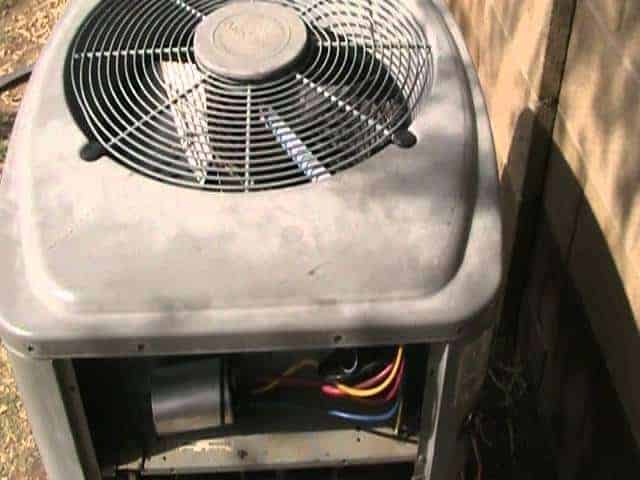
2. Clear Debris Around the Outdoor Unit
Ensure that the area around the outdoor unit is free from debris, leaves, and other obstructions. This promotes adequate airflow and prevents overheating.
3. Monitor Thermostat Settings
Keep an eye on thermostat settings to avoid unnecessary strain on the system. Optimal temperature settings contribute to energy efficiency.
Conclusion
Yearly inspections are the cornerstone of a well-maintained air conditioning system. By addressing potential issues before they escalate, homeowners can enjoy a cool and comfortable indoor environment while avoiding costly repairs. Additionally, incorporating simple DIY maintenance practices ensures the longevity and efficiency of your AC unit.
Remember, preventive measures are key to a trouble-free cooling experience. Schedule your yearly AC inspection today and bask in the cool comfort of a well-maintained air conditioning system.