
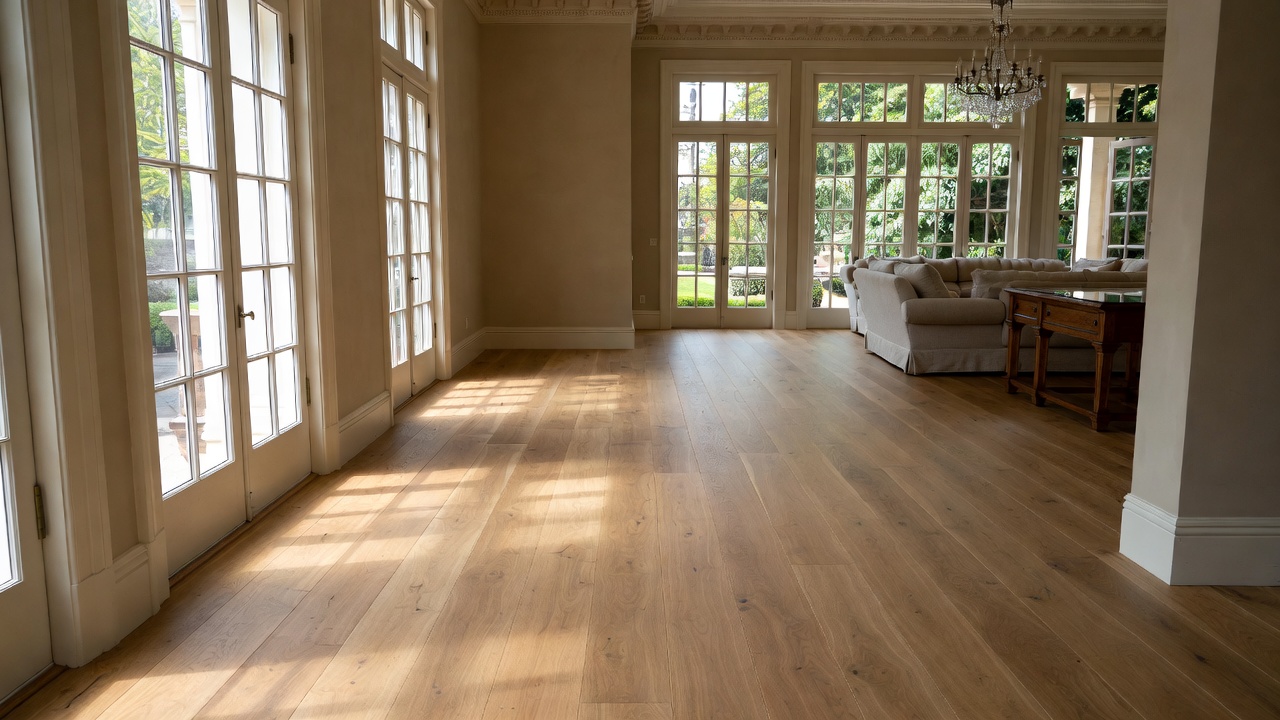
Choosing oak flooring is one of the best moves you can make for long lasting beauty and value in a home. Oak combines natural warmth with strong performance, and it works with a wide range of décors from rustic to modern. This article walks through the key points to consider so you can pick the right oak floor for your lifestyle and budget.
Whether you are renovating a single room or planning floors for an entire house, understanding species, construction, finish, installation, and care will make the process clearer. Read on for real world tips, examples, and cost estimates that help you make an informed selection without getting overwhelmed.
Why oak flooring remains a popular choice for homes and businesses
Oak has a long track record in flooring thanks to its combination of strength, grain character, and color range. White oak and red oak cover most of the market and each has specific advantages. White oak tends to be slightly harder and has a tighter, straighter grain. Red oak shows more distinct grain rays and generally takes stain differently, which affects color results.
Performance matters for areas with heavy foot traffic. Oak rates well on the Janka hardness scale which gauges resistance to denting. As a reference point, white oak sits around 1360 while red oak is about 1290. That difference matters when selecting floors for an entry area or a family room that sees a lot of activity.
Types of oak flooring and how to choose between them
There are three main construction types to weigh when choosing oak flooring solid plank, engineered plank, and reclaimed or salvaged oak. Each has distinct installation and performance characteristics.
- Solid oak plank is a single piece of hardwood. It can be sanded and refinished many times and is ideal for nail down installations over wood subfloor.
- Engineered oak has a hardwood wear layer over plywood or HDF. It is more stable across humidity changes and is a common choice for below grade spaces and over radiant heat.
- Reclaimed oak provides an aged look with character marks. It often comes at a premium and may need more careful selection for uniformity.
When the project involves a concrete slab or a basement level consider engineered boards for stability. If you expect to refinish the floor multiple times over decades, solid oak provides the most potential refinishes.
Choosing the right oak species and grain pattern for appearance and wear
Color and grain are where personal taste plays the largest role. Red oak yields warm pinkish undertones unless heavily stained. White oak leans toward cooler tan and gray tones. Grain clarity varies by cut and grade with plain sawn showing cathedral patterns and quarter sawn offering straight lines and medullary rays that create unique flecks.
Match the grain and cut to the room size and lighting. Busy grain can hide scratches and dirt, while smoother grains show fewer contrasts. To see how a species will look in your space get samples delivered, place them on the floor at different times of day, and observe them in both natural and artificial light. If you want more technical reading on selection factors follow this link to dive deeper for an expanded discussion and checklist.
Finishes stains and surface options to consider
Finish choice affects maintenance and aesthetics as much as the wood itself. The main categories are penetrating oil finishes and surface finishes such as polyurethane. Penetrating oil soaks into the wood and highlights grain while surface finishes sit on top and form a protective layer. UV cured finishes and water based polyurethanes are common in factory prefinished boards.
- Matte or low sheen hides scratches and is popular in contemporary interiors.
- Satin offers a balance between reflection and concealment of wear marks.
- High gloss shows more detail but needs more upkeep to keep it looking pristine.
Another decision is between prefinished and site finished flooring. Prefinished boards come with multiple factory applied coats offering fast installation and uniform results. Site finishing can provide a seamless look and customize the sheen but requires time for sanding and curing.
Installation methods and what affects cost and longevity
Installation method impacts cost and long term performance. Common approaches include nail down glue down and floating installations. Nail down is traditional for solid oak over wood subfloors. Glue down is typical for engineered planks over concrete. Floating floors click together and sit on top of an underlayment which can be practical for retrofit projects.
Subfloor and moisture control
Moisture is the primary cause of flooring problems. Measure subfloor moisture with a meter and follow manufacturer requirements for acceptable levels. For concrete slabs use a moisture barrier or adhesive systems designed to accommodate vapor. On wood subfloors make sure they are level within recommended tolerances to avoid gaps or squeaks after installation.
Acclimation and climate considerations
Acclimation allows the wood to reach equilibrium with the room humidity. Most manufacturers recommend leaving boxes of flooring on site for several days so the boards adjust. In climates with large seasonal humidity swings check the product’s allowed expansion gaps and plan for transitions to other flooring types.
Maintenance care and expected lifespan
Oak floors can last decades with regular maintenance. Routine care involves sweeping or vacuuming to remove grit and wiping spills promptly to prevent staining. Use protective pads under furniture to reduce wear from movement and place runners in high traffic zones. Periodic maintenance such as a screen and recoat can renew a surface finished floor without a full sand.
Refinishing intervals depend on thickness of the wear layer and the amount of traffic. Solid oak can often be sanded and refinished many times. Engineered oak with a thinner hardwood layer supports fewer full sandings but still allows surface refreshes. Expect a well maintained oak floor to provide 30 years or more in a typical residential setting when refinished occasionally.
Budgeting pricing and long term value
Upfront cost varies significantly based on species finish and construction. As a rough guide prices range from economical engineered options around a mid level price per square foot to premium reclaimed or wide plank solid oak at higher prices. Installation will add to the total and varies by method and region.
- Material cost estimates can help with initial planning. Include underlayment adhesives and trim pieces in the material tally.
- Labor charges differ for nail down versus glue down and for site finishing versus installing prefinished boards.
- Consider lifecycle cost rather than just first purchase price. A floor that lasts longer and requires fewer repairs or replacements often comes out more economical over decades.
Resale value is another factor. Oak floors remain popular among buyers and can contribute to perceived home quality. Well selected and installed oak floors can be a strong investment toward future resale.
Common mistakes to avoid when selecting oak flooring
A few recurring errors can compromise results. Avoid these to protect your investment.
- Skipping site visits with samples. Photographs and showroom displays do not convey how a floor will look in your lighting and next to your furnishings.
- Ignoring humidity control. Installing hardwood without addressing moisture risks can lead to buckling or gaps.
- Choosing the lowest cost option without checking wear layer thickness. A cheaper board with a thin wear layer may need replacement sooner.
- Overlooking warranty details. Know what is covered for finish wear manufacturing defects and installation related issues.
Final decision making becomes clearer when you balance aesthetics performance maintenance and budget. Test samples in place confirm color and grain choices while clear communication with your installer clarifies timeline and responsibilities.
With the information here you can move forward with confidence. Schedule a sample trial in the rooms you plan to finish ask your installer about acclimation and moisture testing and set a realistic maintenance plan that matches how the space will be used. Oak is an investment in comfort and appearance that pays back over years of daily use so choose the combination of species construction and finish that suits your home and routine. If you are ready to take the next step gather measurements request a few samples and consult a flooring professional for a written estimate. A well chosen oak floor will be a durable and attractive part of your home for many years. Contact a local flooring expert or supplier to compare options and secure timelines for ordering and installation.